

The benefits of
Accessible Renovations
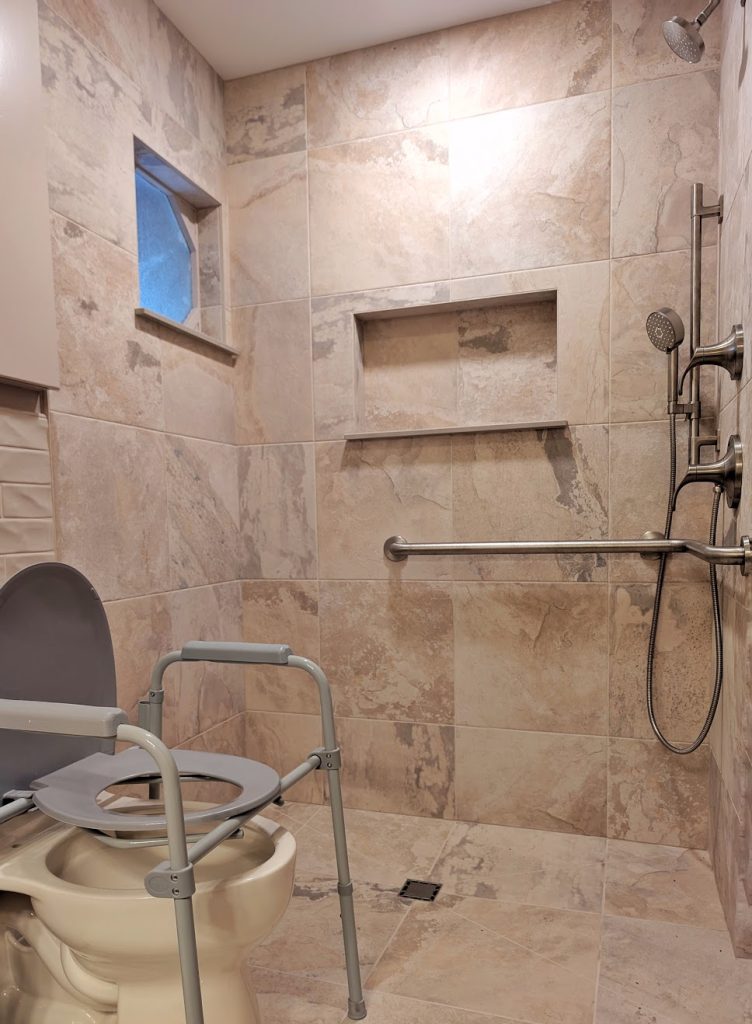
Renovating your existing home for aging in place offers a wide range of benefits that support long-term comfort, safety, and independence. Accessible renovations—such as wider doorways, step-free entrances, improved lighting, and barrier-free bathrooms—make everyday tasks easier and reduce the risk of falls or injuries. These thoughtful upgrades allow homeowners to remain in a familiar, comfortable environment while maintaining their independence as their needs change. In addition to improving quality of life, accessible renovations can be a cost-effective alternative to assisted living or nursing home care, helping you avoid the significant expenses associated with relocating. Over time, these modifications can also increase your home’s value and make it more functional for visitors of all ages and abilities, ensuring your home remains a welcoming and livable space for years to come.
Here are some additional benefits of renovating your home for aging in place
Improved Safety
Enhanced Comfort
Increased Home Value
Greater Independence
Take A Look At Our
Accessible Renovations & Aging-In-Place FAQs
Accessible renovations are home modifications designed to make living spaces safer, easier to navigate, and more comfortable for people with mobility or health challenges. These improvements often include wider doorways, step-free entrances, grab bars, walk-in showers, improved lighting, and other safety-focused upgrades.
Accessible features reduce common hazards that can cause accidents. For example, non-slip flooring helps prevent falls, grab bars provide support, and barrier-free bathrooms eliminate dangerous steps or ledges.
No. Accessible home modifications benefit people of all ages, including those recovering from injuries, living with disabilities, or planning for long-term accessibility.
